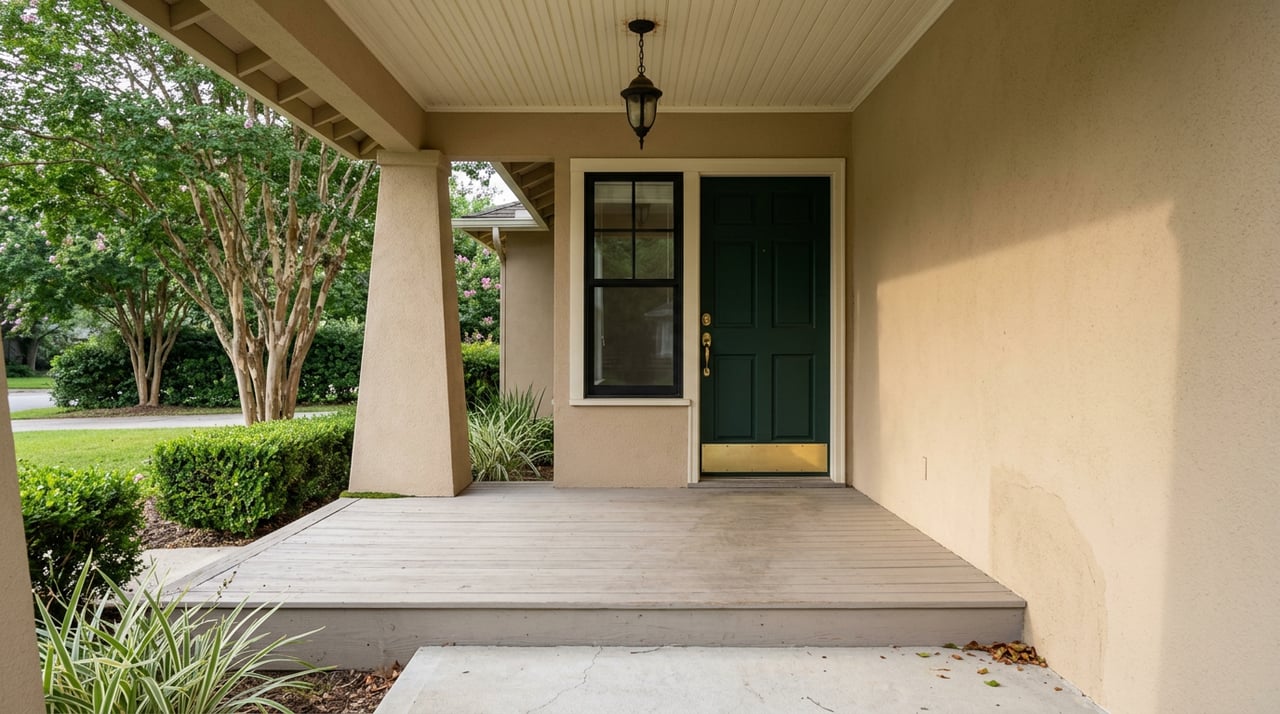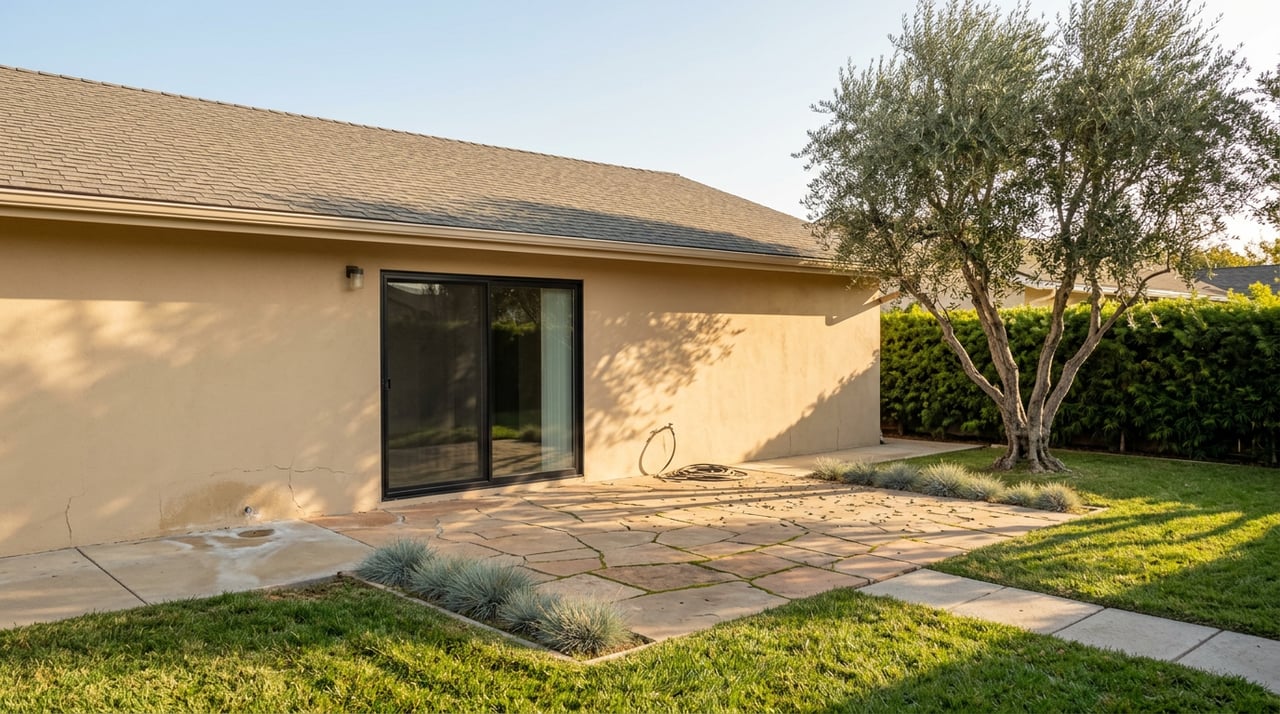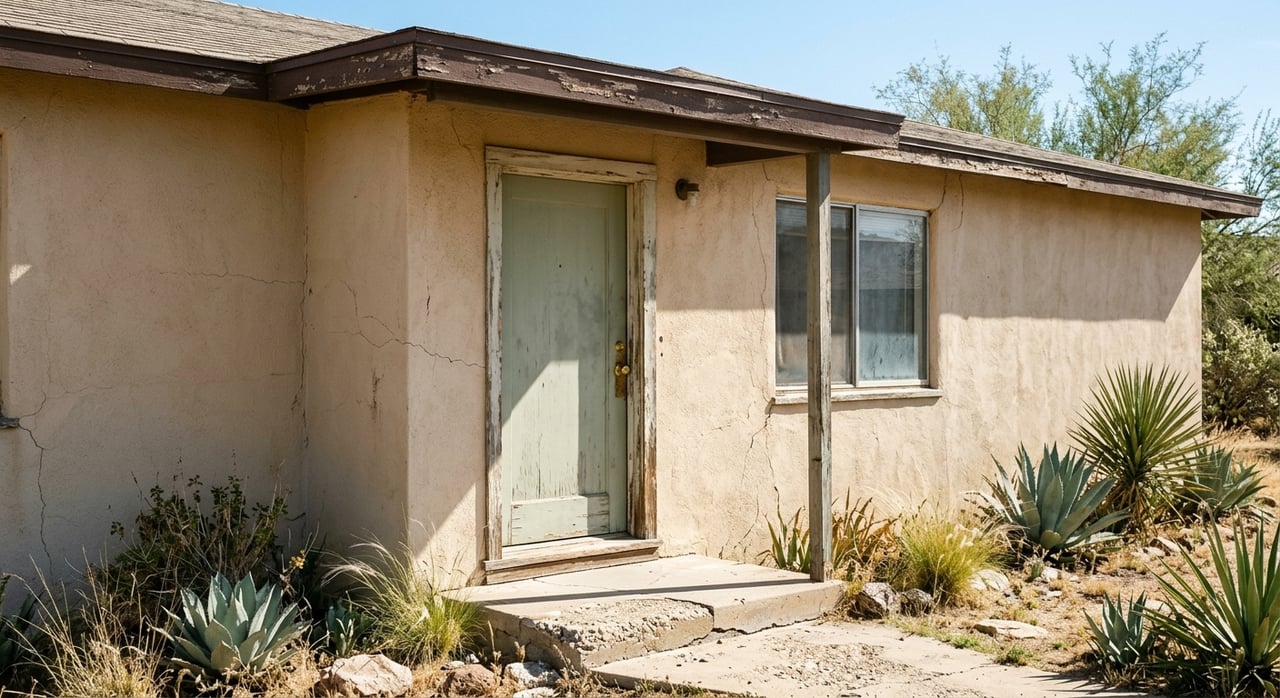
Thinking about buying a fixer-upper in Whittier? You are not alone. In a city with older housing stock and a tight market, the best opportunities often come from homes that need updates, repairs, or a smarter renovation plan. If you know where to look and what to watch for, you can spot deals with real upside and avoid costly surprises. Let’s dive in.
Why fixer-uppers stand out in Whittier
Whittier is an older-housing market, and that matters when you are searching for value. City planning materials say about 60% of homes were built during or before the 1950s, and a separate housing analysis says 94% were built in 1979 or earlier.
That age profile creates opportunity, but not always in the way buyers expect. In Whittier, fixer-upper value is often tied to deferred maintenance, outdated finishes, and older systems rather than a major land discount. With owner-occupied median home values at $822,600 in 2020 through 2024 and the city describing the market as tight, finding the right property means looking closely at condition.
Where to look for fixer-upper deals
Focus on older residential areas
If you want the highest chance of finding homes with renovation potential, start in Whittier’s older residential sections. The city’s housing-age data points to a large share of pre-1980 and even pre-1950 homes, which is where cosmetic updates and systems improvements often make the biggest difference.
In practical terms, that usually means established single-family blocks with older homes that may not have been fully modernized. These are often the best candidates for buyers who want to improve a property over time or investors looking for value-add opportunities.
Know the historic districts
Whittier has four historic districts: Hadley-Greenleaf, Central Park, College Hills, and Earlham. The city also notes more than 100 locally designated historic landmarks, and some of these areas include homes dating back to the early 1900s.
These neighborhoods can offer some of the most visually appealing vintage housing stock in town. Earlham includes homes from 1903 to 1940, and College Hills was subdivided in 1923, which makes both areas natural places to search for older homes with character.
Treat historic homes differently
Historic and vintage homes can be exciting, but they need a different level of due diligence. In Whittier, no permit can be issued for work on a historic resource or vintage building until a Certificate of Appropriateness is approved.
The city defines vintage buildings as those built before 1941. Exterior changes, additions, demolition, and visible remodel work can trigger additional review, so a home that looks like a bargain may require more time, paperwork, and planning than a standard remodel.
What makes a good fixer deal
Not every distressed-looking home is a smart buy. In Whittier, the strongest fixer opportunities are usually homes with solid bones and manageable repair needs, especially when the issues are cosmetic or systems-related rather than deeply structural or tied up in permit or historic-review complications.
That means you want to separate fixable problems from deal-breaking uncertainty. A dated kitchen is one thing. Hidden electrical issues, foundation concerns, unpermitted work, or a historic review process you did not budget for are something else.
Good signs to look for
A promising fixer often has:
- Older finishes that are functional but outdated
- Deferred maintenance that is visible and straightforward to estimate
- Repair needs tied to roofing, flooring, paint, windows, stucco, plumbing, or electrical upgrades
- A layout that works without major structural changes
- Enough upside after repairs to justify the cost and timeline
Red flags to slow down for
Use extra caution if you see:
- Signs of major structural movement
- Extensive exterior work on a historic or vintage property
- Possible unpermitted remodels or additions
- Heavy deterioration that makes scope hard to define
- Lead-paint risk in homes built before 1978 without a clear renovation plan
- Sewer or termite concerns that could widen your repair budget fast
Build a better walkthrough checklist
Whittier’s own housing rehabilitation program is a useful guide to the repair categories that matter most in older homes. The city points to roofing, plumbing, electrical, windows, stucco, painting, flooring, and similar code-violation fixes.
That gives you a practical pre-offer checklist. When you walk a property, you are not just asking whether it needs work. You are asking whether the work is visible, measurable, and worth the price.
Check the core systems first
Before you get distracted by finishes, focus on the major systems:
- Roof condition
- Plumbing age and visible leaks
- Electrical panel and wiring condition
- Window condition and function
- HVAC and mechanical systems
- Signs of foundation or drainage issues
These items often shape your real renovation budget. Cosmetic work is easier to plan around. System failures are where budgets can change quickly.
Watch for lead-paint risk
If the home was built before 1978, take lead-based paint seriously. Older painted surfaces can create hazardous dust during renovation work when they are disturbed.
That does not mean you should avoid every pre-1978 home. It means you should plan carefully, use qualified contractors when painted surfaces will be disturbed, and treat lead safety as part of your rehab budget from the start.
Do not skip sewer and pest checks
A residential sewer lateral inspection can tell you about the pipe from the house to the city main, and that can be a major hidden cost in an older property. You should also consider the risk of wood-destroying pests such as termites, since those issues can affect both cost and financing.
Many buyers focus on what they can see inside the house. Some of the most expensive surprises, though, are underground or inside framing.
Permits can make or break your budget
In Whittier, permits matter on almost every meaningful fixer project. The city says a building permit is generally required before work to alter, improve, remove, or demolish a structure.
Its permit list includes projects such as re-roofing, electrical rewires, main service panel upgrades, plumbing, mechanical work, sewer lateral work, foundation retrofit, and even like-for-like bathroom remodels. All permit work must pass final inspection, and permit fees are based on construction valuation.
Budget for code compliance
As of January 1, 2026, Whittier says it is using the 2025 California Building Standards Code. That means current-code compliance should be part of your rehab planning, especially if you are updating older systems.
A property may be livable as-is but still require meaningful upgrades once work begins. That is one reason experienced cost estimating matters so much on fixer purchases.
Historic review adds another layer
If the home is in a historic district or may qualify as a historic resource, your timeline can stretch. In Whittier, alterations, additions, restoration, rehabilitation, remodeling, demolition, or relocation of a historic or vintage resource can require a Certificate of Appropriateness even if no other permit is needed.
The city also notes that demolition or substantial exterior work on properties that are 50 years old or older can trigger a historic-resource evaluation. If your plan depends on changing the exterior, build that review time into your decision.
How to finance a fixer-upper in Whittier
The right financing can turn a hard project into a workable one. Several loan options can help you finance both the purchase and the improvements, depending on the size and type of work.
FHA 203(k) loans
FHA 203(k) loans remain one of the most recognized fixer tools. The Limited 203(k) is for minor, nonstructural repairs up to $35,000, while the Standard 203(k) is designed for larger rehab work and has a minimum repair threshold of $5,000.
If you are buying a home that needs more than paint and flooring, this can be worth exploring. It is especially helpful when the renovation budget needs to be rolled into the transaction from the beginning.
Conventional renovation loans
Conventional buyers also have renovation options. Fannie Mae HomeStyle Renovation and Freddie Mac CHOICERenovation allow borrowers to finance the purchase and repairs together.
Freddie Mac says CHOICERenovation is structured as a single-closing option with no interim construction financing. For some buyers, that can simplify the process.
VA-backed options
If you are an eligible Veteran, VA home-loan programs can help you buy, build, or improve a home. VA-backed purchase loans are often made with no down payment, which can preserve cash for repairs, reserves, and post-closing improvements.
Whittier’s local rehab assistance
Whittier also offers a Housing Rehabilitation Program for income-eligible low- and moderate-income households. The city says the program provides low-interest, deferred loans and grants for repairs such as roofing, plumbing, electrical, windows, stucco, painting, and flooring.
The city reports helping more than 20 households a year. If you qualify, this can be a meaningful local resource for targeted repairs.
How to estimate the deal correctly
A fixer can look profitable on paper and still go sideways if your budget is too optimistic. The safer move is to build your numbers from real scope, real bids, and local approval requirements.
California’s Contractors State License Board offers a simple framework that buyers can use right away.
Use a disciplined bid process
Before committing to a major rehab, you should:
- Get at least three written bids on identical scope
- Verify the contractor’s license
- Require a written contract with work details, materials, total cost, and start and completion dates
- Confirm who is handling permits and inspections
- Add permit fees, possible historic-review costs, and contingency reserves
For multi-trade rehabs, a licensed general building contractor is typically the right fit. California also caps down payments on home-improvement jobs at the lesser of $1,000 or 10% of the contract price.
Always leave room for contingency
Older homes almost always reveal something once work begins. That does not mean you should avoid them. It means your numbers need to be realistic enough to absorb surprises without turning a good project into a bad one.
In Whittier, that contingency should account for permit costs, code updates, possible sewer or pest repairs, and extra approvals on older or historic homes. A deal only works if it still works after the unknowns show up.
A smart Whittier fixer strategy
The best fixer-upper deals in Whittier are usually not the most dramatic properties. They are the homes with a clear path to improvement, manageable repair categories, and enough upside to justify the work.
That is where local experience really matters. You need to know which older parts of town are most likely to produce opportunity, how city rules affect renovation plans, and how to spot a house that needs updating versus one that can drain time and money.
If you want help identifying the right fixer, estimating renovation risk, or building a smarter offer strategy in Whittier, connect with Daniel P. Garcia. His local market knowledge and contractor-level renovation insight can help you evaluate deals with more confidence.
FAQs
Where can you find older fixer-upper homes in Whittier?
- The most likely places are Whittier’s older residential areas, including established single-family blocks and historic districts such as Hadley-Greenleaf, Central Park, College Hills, and Earlham.
Do fixer-uppers in Whittier usually need permits?
- Yes. Whittier generally requires permits for meaningful work such as re-roofing, electrical rewires, panel upgrades, plumbing, mechanical work, sewer lateral work, foundation retrofit, and some bathroom remodels.
What should you inspect first in a Whittier fixer-upper?
- Start with the roof, plumbing, electrical, windows, sewer lateral, and signs of wood-destroying pests, since these issues can affect both cost and financing.
Are historic homes in Whittier harder to renovate?
- They can be. Historic resources and vintage buildings may require a Certificate of Appropriateness before permits are issued, especially for exterior changes, additions, demolition, or visible remodel work.
What financing options can help you buy a fixer-upper in Whittier?
- Common options include FHA 203(k) loans, Fannie Mae HomeStyle Renovation, Freddie Mac CHOICERenovation, VA-backed loan programs for eligible Veterans, and Whittier’s Housing Rehabilitation Program for qualifying households.
What makes a good fixer-upper deal in Whittier?
- A strong deal usually has solid bones, clear repair scope, and manageable cosmetic or systems-level work rather than major structural, historic-review, permit, or lead-safety complications.