If you are house hunting in Whittier, one of the biggest choices you may face is not just price or size. It is whether you want the charm of an older home or the simpler ownership experience that can come with a newer one. Because Whittier has a true mix of housing eras, this decision matters here more than it does in many cities. In this guide, you will learn how Whittier’s housing stock breaks down, what each option tends to offer, and how to weigh style, upkeep, permits, and future plans with confidence. Let’s dive in.
Why This Choice Matters in Whittier
Whittier is not a one-style housing market. The city notes that it has more than 100 locally designated historic landmarks and four historic districts, while also pointing to post-World War II growth that added large tracts of homes and apartments.
The housing age mix helps explain why buyers often compare older homes with newer ones here. According to city housing data, 28% of owner-occupied homes were built before 1950, 66% were built from 1950 to 1979, and only 2% were built in 2000 or later. In other words, true newer construction is limited, and much of Whittier’s appeal comes from homes with history.
The city also highlights a wide range of housing types, including historic Craftsman bungalows, California ranch-style homes, and executive homes in Friendly Hills. That variety gives you real options, but it also means your search should be shaped by how you want to live, maintain, and improve a home over time.
What Historic Homes Offer
Older Whittier homes often stand out because of their architecture. The city’s preservation materials identify pre-1950 styles such as Victorian, Transitional/Four-square, Craftsman, Mission Revival, Spanish Colonial Revival, Tudor Revival, Colonial Revival, and Minimal Traditional.
For many buyers, that translates into homes that feel more individual and visually memorable. You may see covered porches, wide eaves, exposed rafters, stucco walls, tile roofs, arched windows, symmetrical facades, and details that are less common in later tract housing.
Common Older Styles in Whittier
Craftsman Homes
Craftsman and Arts and Crafts homes are usually one to two stories with irregular floor plans, low-pitched roofs, and wide eaves. The city also notes exposed rafter tails, porch columns set on brick or stone piers, and mixed natural materials like wood, stone, and brick.
If you love texture and visible craftsmanship, this style often checks those boxes. These homes can feel warm and detailed in a way that newer construction often does not try to replicate.
Mission and Spanish Revival Homes
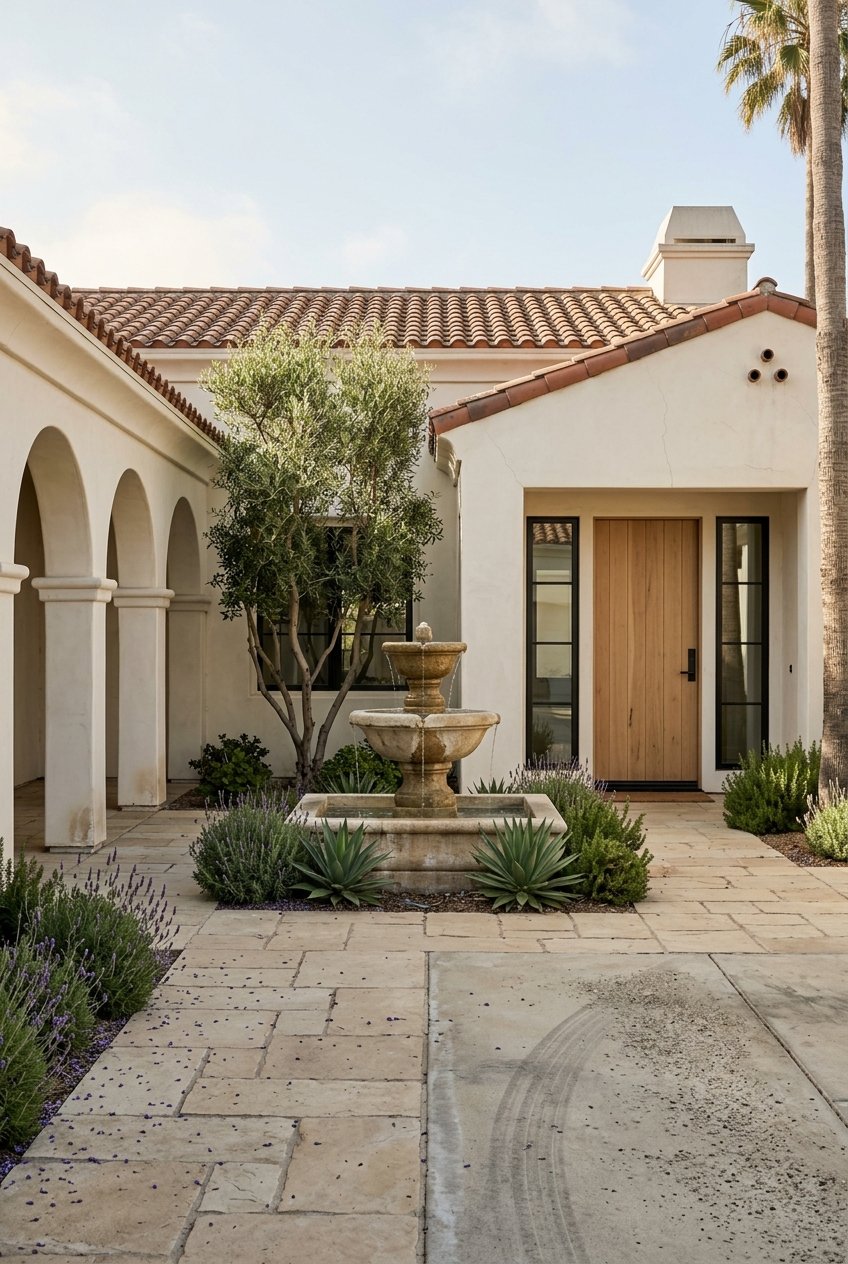
Mission Revival and Spanish Colonial Revival homes often feature smooth stucco walls, tile roofs, arches, balconies, and decorative tile or wrought iron details. In practical terms, these homes often create a strong Southern California look and a more indoor-outdoor feel.
For buyers who want visual character right away, this style can be especially appealing. The design itself often becomes part of the lifestyle.
Colonial Revival Homes
Colonial Revival homes tend to look more balanced and formal. The city describes symmetrical facades, centered entrances, columns or pediments, and multi-pane windows.
If you prefer classic lines and a more orderly exterior appearance, this style may feel like a better fit. It offers character, but in a more restrained way.
Minimal Traditional Homes
Minimal Traditional homes are typically smaller, simpler homes built from about 1935 to 1950. They often have basic rooflines, little ornamentation, a small covered porch, and detached garages.
These homes can be a useful middle ground. You may still get some vintage appeal without taking on the same level of design complexity as a fully historic showpiece.
What Newer Homes Tend to Offer
In Whittier, newer homes are less common than older and mid-century homes. Since only 2% of owner-occupied homes were built in 2000 or later, finding true newer construction may mean a narrower search.
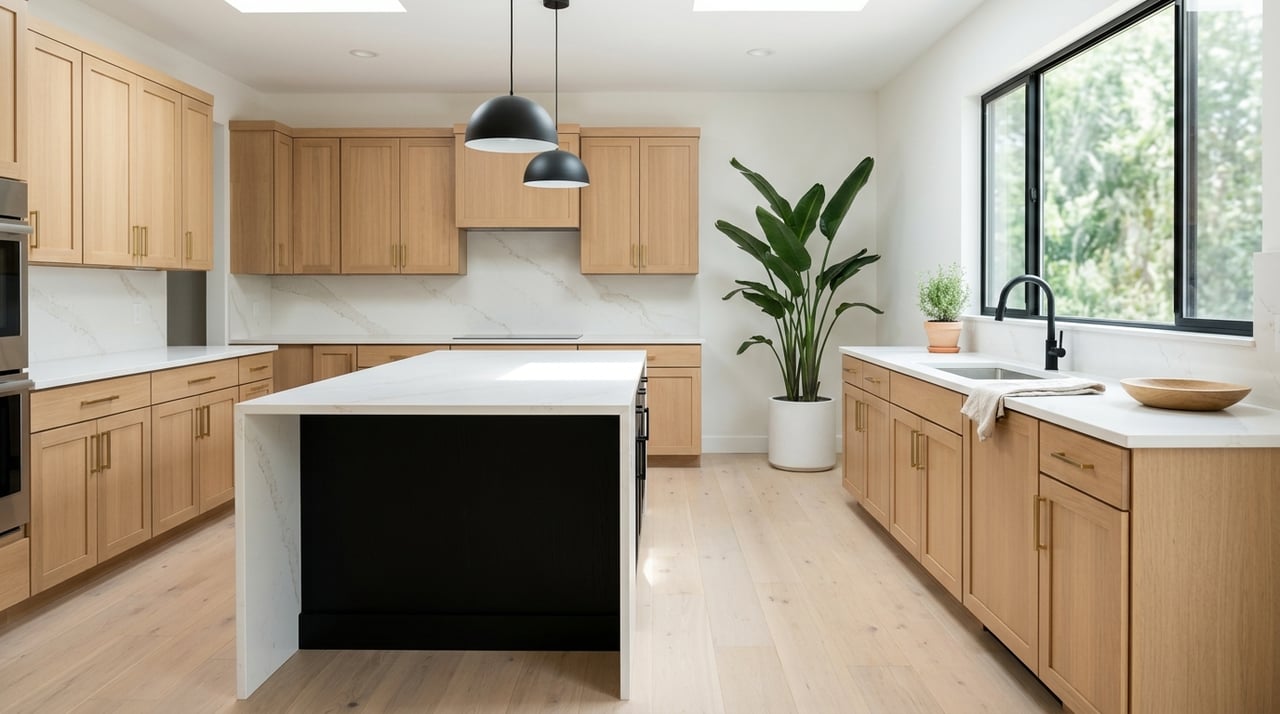
Still, newer homes often appeal to buyers who want a more straightforward ownership experience. Based on the city’s development history and current building framework, newer homes are generally more likely to reflect later code standards and to require fewer immediate updates to core systems.
The city’s Building & Safety page says Whittier adopted the 2025 California Building Standards Code as of January 1, 2026, and the city reviews permits for new buildings, additions, repairs, and major system work. For you as a buyer, that means newer construction is often associated with a more move-in-ready feel and less original-material upkeep.
Why Some Buyers Prefer Newer Homes
A newer home may be the better fit if you value:
- Fewer immediate repairs
- Less preservation oversight
- More modern systems and components
- A simpler path if you want a low-maintenance move
- A more standardized layout and finishes
That does not mean newer is always better. It simply means newer homes often reduce some of the unknowns that can come with older properties.
How to Compare Daily Lifestyle
One of the best ways to choose between historic and newer homes in Whittier is to think beyond the listing photos. Ask yourself what kind of daily experience you want.
Older homes often appeal to buyers who want originality. Features like porches, smaller massing, and varied architectural details can make a home feel more layered and personal.
Newer homes often appeal to buyers who want convenience. You may give up some period detail, but you often gain a layout and maintenance profile that feels easier to manage.
A Simple Lifestyle Test
An older or historic home may suit you if you enjoy:
- Distinct architecture
- Original trim or period details
- A home that feels less standardized
- Taking on thoughtful upgrades over time
- Preserving the style and integrity of the property
A newer home may suit you if you prefer:
- A more turnkey feel
- Fewer repair projects at move-in
- Less design review risk for future changes
- More predictable upkeep
- A home that prioritizes function over historic detail
Permits and Historic Review Matter
This is where Whittier becomes especially important to understand. If you buy an older home, your future renovation plans may involve more than contractor bids and design choices.
Whittier says its Historic Resources Ordinance was first adopted in 1986 and expanded in 2001. The city’s Historic Resources Commission reviews local landmark designations, local historic districts, and Certificate of Appropriateness applications for remodels, additions, or new development in historic districts and for homes on the survey.
The city also advises owners not to start planning work on historic landmarks or vintage buildings constructed before 1941 without first contacting Community Development. If you love the idea of a historic home, that is not a reason to walk away. It is simply a reason to go in with a clear plan.
What That Means for Buyers
If you are considering an older or historic Whittier home, make sure you ask about:
- Whether the home is a designated landmark or in a historic district
- Whether past additions or repairs were permitted
- What types of changes may require city review
- Whether your future remodel ideas match preservation guidance
For buyers who appreciate character and are willing to be thoughtful, this process can be manageable. For buyers who want maximum flexibility, it may feel restrictive.
Maintenance Issues to Watch in Older Homes
Older homes can be rewarding, but they usually require deeper due diligence. The city notes that permits are required for many alterations and repairs, including much plumbing and electrical work, and it specifically lists seismic retrofit and foundation retrofit among residential permit categories.
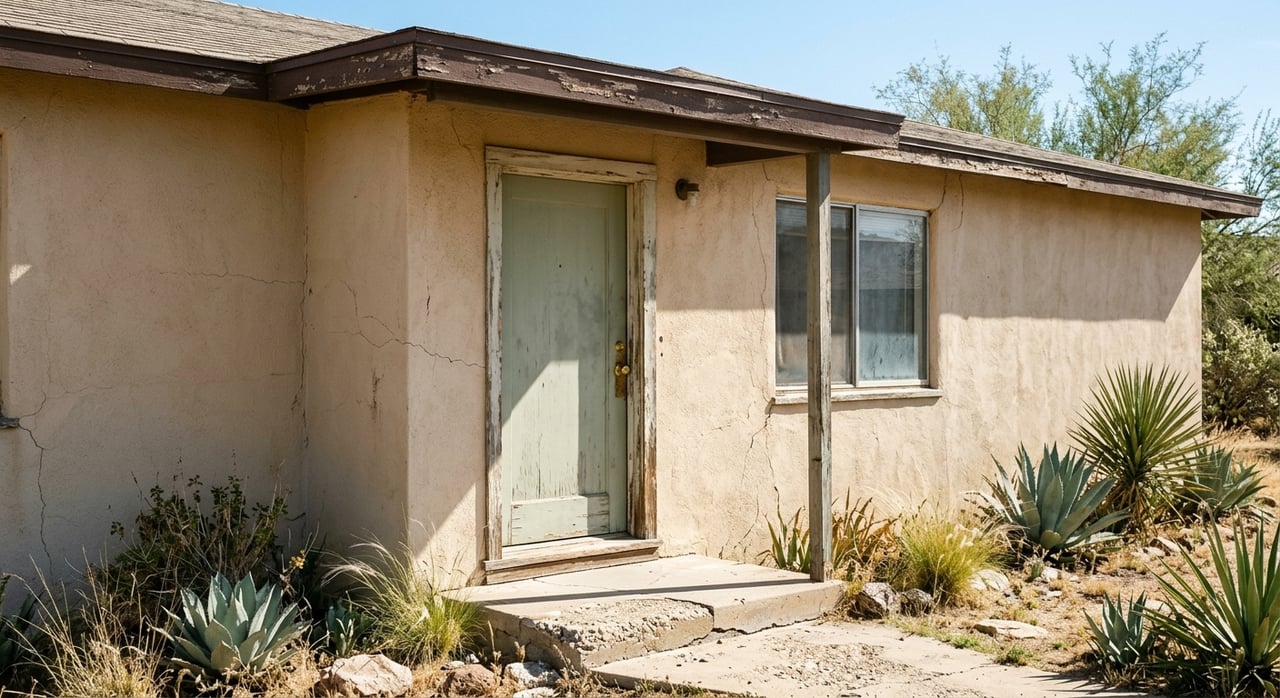
That makes inspections and document review especially important. In a market like Whittier, where much of the housing stock predates modern construction standards, you want to understand not just how a home looks, but how it has been maintained.
Key Items to Review
When evaluating an older home, pay close attention to:
- Roof condition
- Windows and exterior materials
- Stucco or plaster condition
- Wood siding and porch elements
- Foundation condition
- Garage structures
- Electrical and plumbing updates
- Permit history for major improvements
Lead-based paint is another age-related issue to keep in mind. The city’s housing data shows that much of Whittier’s housing stock predates 1980, and homes built before 1978 are more likely to contain lead-based paint. That makes inspections, disclosures, and renovation planning especially important if you are buying an older home.
A Smart Middle Ground
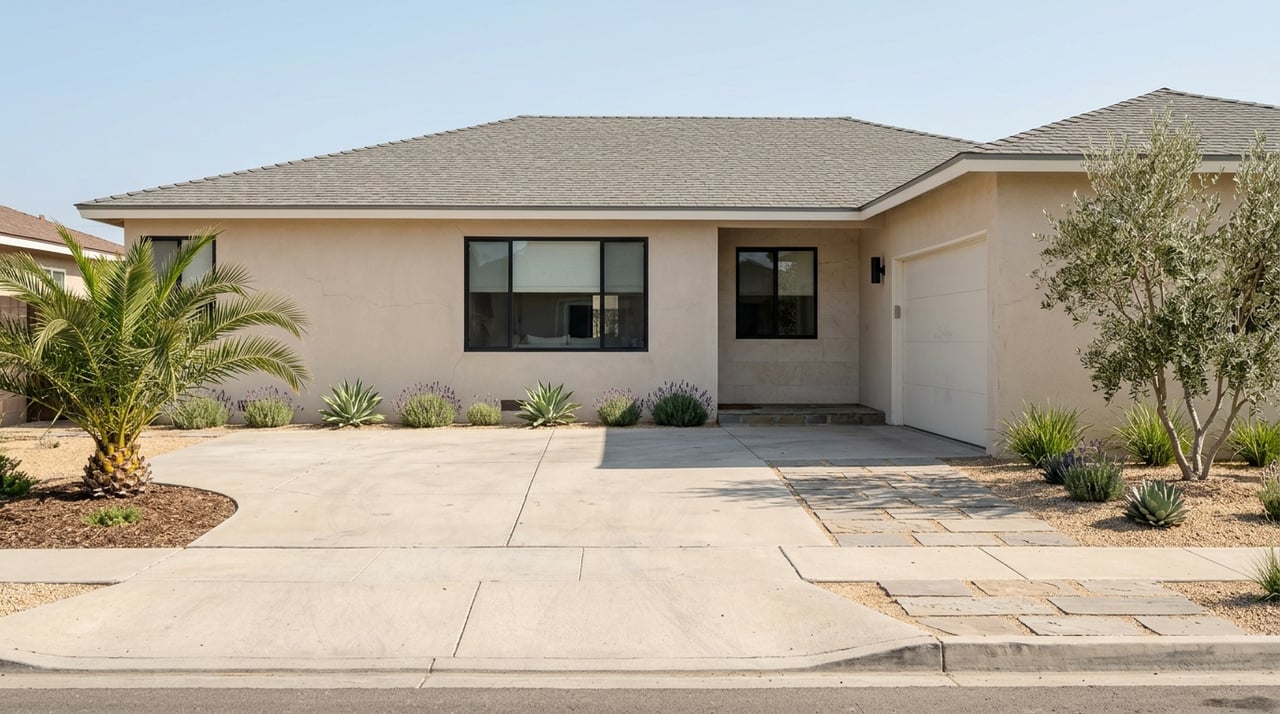
Not every buyer has to choose between a fully historic property and a much newer home. In Whittier, a well-kept mid-century or Minimal Traditional home may offer a strong middle path.
You may get some charm, established surroundings, and a less cookie-cutter look without taking on the same preservation complexity as a landmark property. For many buyers, that balance can make the search easier and the ownership experience more comfortable.
The city also offers preapproved detached ADU plans with Craftsman, Spanish, and Traditional exterior options. If you want more space on an older property, adding an ADU may be worth exploring instead of trying to force a major change to the main house.
How to Make the Right Choice
The best Whittier home for you depends on how you balance character, condition, and future plans. If you light up when you see porches, original details, and period architecture, an older home may be worth the extra homework.
If you want a lower-friction move and fewer near-term projects, a newer home may be the better choice. And if you want something in between, a mid-century or simpler vintage home may give you the best balance of style and practicality.
In Whittier, this decision is rarely just about age. It is about how you want to live in the home, what level of maintenance you can handle, and how much flexibility you want for updates down the road.
If you want help comparing older charm, renovation potential, and long-term value in Whittier, Daniel P. Garcia can help you evaluate the tradeoffs and find the right fit for your goals.
FAQs
What makes Whittier a good place to compare historic and newer homes?
- Whittier has a mixed housing stock with 28% of owner-occupied homes built before 1950, 66% built from 1950 to 1979, and only 2% built in 2000 or later, so buyers often have to weigh character against convenience.
What types of historic home styles are common in Whittier?
- The city identifies Victorian, Transitional/Four-square, Craftsman, Mission Revival, Spanish Colonial Revival, Tudor Revival, Colonial Revival, and Minimal Traditional homes among Whittier’s older residential styles.
What should buyers check before buying an older home in Whittier?
- You should review the home’s permit history, condition of major systems and structures, possible lead-based paint risk if it was built before 1978, and whether future changes may trigger historic review.
What are the benefits of buying a newer home in Whittier?
- A newer home may offer fewer immediate repairs, less preservation oversight, and a more move-in-ready experience with systems that are more likely to reflect later building standards.
What if I want character without full historic-home complexity in Whittier?
- A mid-century or Minimal Traditional home may be a good compromise, giving you some personality and established surroundings without the same level of preservation review as a designated historic property.